
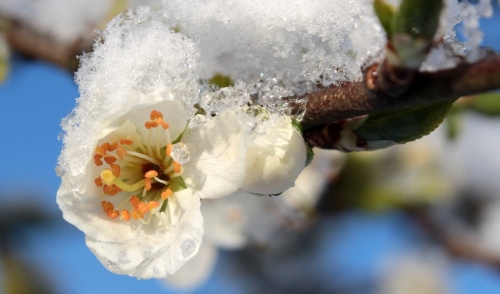
Winter is approaching, and you must prepare your garden so that it will be able to survive through the cold months, ready for the next gardening season. All plant types have unique requirements, so make sure you know exactly what each plant in your garden needs.
For perennials, divide the spring and summer blooming plants. Now is the time to plant any new perennials you have, especially the spring bloomers. When the soil in your garden is frozen, spread an even layer of mulch over any bare spots. After each frost, clean up the bed and border of the perennials by cutting off dead stems. Also, remove any weeds and diseased plants. Hardy perennials may need a cold frame so that they can overwinter. The cold frame also chills bulbs that are being forced into winter blooming. Tender bulbs should be wrapped in a moist material and stored in a cool, dark place.
Trees and shrubs should be transplanted to their new locations in the early fall. If they will be in an area with sparse rainfall, give them a deep watering before the ground freezes. This is especially true for evergreens. After the ground freezes, generously spread a winter mulch around the trees and shrubs. It may be a good idea to fertilize young trees and shrubs, but established ones will not need this. To winterize roses, mound mulch at the base of the stems and shelter the roses with a burlap screen if you are in a colder area.
For annual flowers, always have polyspun garden fabric on hand for the anticipation of light frosts. Whenever a killing frost occurs, pull up dead annuals and discard them into a compost pile. Any with fungal disease should be thrown away in the trash. Spread an organic layer over the annual bed three to four inches thick, but if you are expecting self germinating plants, reduce the thickness to two inches.
Before winter arrives, harvest your pumpkins, potatoes, and onions. Fall crops such as broccoli, or cabbage can be harvested when they are mature and ready. You do not need to remove root vegetables for light frosts. Remove any plant debris from harvest and layer the vegetable bed with mulch. Root vegetables that will stay in the ground through the winter will require a thick layer of straw or chopped leaves. With the proper preparation, there is no reason winter has to prevent you from having a healthy garden all year long!