Share "How to Start a Butterfly Garden"
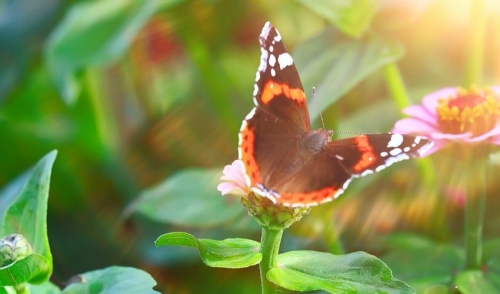
Butterflies are beautiful, helpful visitors to the garden as they pollinate a wide variety of blooms to increase flowering and productivity. A great way to bring butterflies to your yard is with a dedicated garden to meet their needs and attract even more species of these winged wonders.
About Butterflies
Butterflies are brightly colored insects with distinct fluttering flight. There are more than 18,000 butterfly species worldwide, and they are widespread on every continent except Antarctica. More than 700 butterfly species are found in North America alone. Butterflies have been found in the fossil record as long as 55 million years ago, and more butterflies are still being discovered.
With so many species, it is no surprise that butterflies are very diverse. They range from one-half inch wide to as large as almost a foot in wingspan. Butterflies typically have bold, colorful patterns on their large wings, and may feature stripes, spots, speckles, and other unique shapes. These patterns can contribute to camouflage and mimicry, which is a large part of butterflies’ defense against predators.
All butterflies share a similar lifecycle. They first hatch from an egg as a larva, and the caterpillar feeds voraciously. When it is ready to mature, the caterpillar forms a chrysalis and metamorphoses into a mature butterfly. A butterfly’s life cycle may be just a few months or could be a few years, depending on the species. Some butterflies migrate long distances while others enter dormant periods over the winter, similar to hibernation.
Starting a Butterfly Garden
All butterflies have similar needs and require adequate food, water, and shelter. Any homeowner, gardener, or nature lover can provide everything butterflies need in a dedicated and thoughtful butterfly garden.
- Learn Your Local Butterflies
Different butterflies are found in different geographical regions and types of habitats. The more you know about common butterflies in your area, the easier it will be to meet their needs to bring them to your yard. Consult with local butterfly experts or use an identification guide to learn which butterflies you see at parks and gardens, and you’ll be ready to make your home more welcoming to the right species.
- Visit Gardens for Inspiration
Many local nature centers and botanical gardens will have butterfly gardens that can be a wealth of information and inspiration for your efforts. Visit them to learn about local butterflies and options, to see how the gardens are laid out, and to get ideas for your own butterfly garden. Don’t forget to ask in local gardening groups if any members have private butterfly gardens you could visit.
- Pick the Location
A sunny spot will be best for a butterfly garden and will help the garden’s plants thrive. There should still be a bit of shade, however, to provide butterflies a cool resting spot during the hottest part of the day. It is also important that the location be sheltered from the wind, which can make it difficult for butterflies to fly and feed easily. A corner spot, side yard, or other sheltered location is ideal. A butterfly garden could even be in a large container, or could be as simple as a windowbox.
- Add Nectar-Rich Plants
Butterflies visit a wide variety of nectar-rich plants to sip throughout the day. Opt for native flower varieties that will perform well in your area and will be more recognizable to local butterfly species. Butterfly bush, asters, cosmos, salvias, marigolds, phlox, zinnias, coneflowers, petunias, and yarrows are just a few flowers that will bring butterflies to your garden.
- Add Caterpillar Plants
Caterpillars often feed on different plants than mature butterflies. These “host” plants are essential to encourage butterflies to lay their eggs in the garden. Dill, fennel, parsley, milkweed, thistle, lupines, rue, little bluestem grasses, mallows, and joe-pye weed are all great options to feed hungry caterpillars.
- Create a Basking Spot
Butterflies often enjoy a warm, sunny spot to bask, particularly during cool mornings. Adding a flat rock in a sunny spot gives your garden a great sunbathing spot. Pavers, stepping stones, or even stumps can all be ideal for basking butterflies, and should be positioned in a bright, sunny area, particularly where there will be ample morning sunlight.
- Provide a Puddler
Butterflies get the water they need from the nectar they drink, but they will still visit “puddlers” for extra moisture. A puddler is a simple basin filled with damp sand, and it is believed that butterflies also get some dissolved minerals and salts from these resources. An old bird bath, pie plate, or plant saucer can make an easy puddler, and adding some river rocks or bright glass pebbles to the puddler can make it more attractive and catch butterflies’ attention.
- Add a Feeder
Supplemental feeders can be a great addition to any butterfly-friendly garden. These are often shallow saucers that can be filled with simple sugar water, or you can mash up fruit such as peaches, pears, and bananas to add to the dish to entice hungry butterflies. A hearty butterfly mash could also be smeared on a branch and hung from a tree or hook for an easy feeder.
- Install a House
Butterfly houses are smaller than bird houses and feature several vertical slits for butterflies to enter and exit. While these houses may not be widely used, they do provide extra shelter for butterflies during bad weather or cold snaps. Painted in whimsical patterns or pretty colors, a butterfly house can be an eye-catching addition to your garden.
Caring for Your Butterfly Garden
To keep your butterfly garden at its best, be prepared for a slightly messy space. Overpruning will remove shelter and food sources that butterflies rely on, so take care to let flowers and plants ripen. Furthermore, caterpillars naturally gnaw on their host plants, so chewed leaves shouldn’t be seen as eyesores, but rather as evidence of a healthy and successful butterfly garden.
Check your garden daily to keep your puddler damp and to refill butterfly feeders. You may also notice other wildlife, particularly bees and hummingbirds, enjoying the garden. Minimize or eliminate chemicals, as different herbicides, insecticides, and even fertilizers can be highly toxic to butterflies. Instead, let butterflies enjoy their new habitat as naturally as possible, and you’ll be entranced by all the colorful guests you see.