
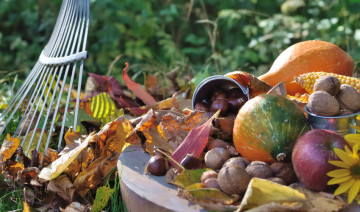
As the vibrant colors of fall give way to colder days, gardeners know it’s time to shift gears. While summer and fall harvests may be winding down, the work you do in your garden now can set the stage for a healthier, more productive season next spring. Preparing your soil and caring for your plants before winter ensures that your garden rests well and is ready to flourish when warmer weather returns.
Here are some practical tips to help transition your garden from fall into winter.
Once your garden has finished producing, remove dead or diseased plants. While it’s tempting to leave them as is, old plant matter can harbor pests and diseases over the winter. Healthy plant debris, however, can be composted and used later to enrich your soil.
Fall is the perfect time to work compost, manure, or other organic material into your garden beds. As it breaks down over the winter, it enriches the soil, improves structure, and boosts fertility for spring planting. Think of it as giving your soil a healthy “meal” before its long winter nap.
Cover crops such as rye, clover, or winter peas provide multiple benefits. They protect soil from erosion, add organic matter, and some even fix nitrogen to improve fertility. Come spring, you can turn them into the soil to boost nutrients.
If you grow perennials like asparagus, strawberries, or herbs, add a layer of mulch or straw to protect roots from freezing temperatures. Cold-hardy crops like kale, carrots, and Brussels sprouts can keep producing well into the colder months—especially if you provide row covers or cold frames for extra protection.
A thick layer of mulch helps regulate soil temperature, retain moisture, and prevent weeds from taking hold. As organic mulches break down, they’ll also add nutrients back into the soil over time.
While focusing on plants and soil, don’t forget to winterize your tools. Clean, sharpen, and oil garden tools before storing them in a dry place to prevent rust. Drain hoses and store them properly to avoid damage from freezing water.
Transitioning your garden from fall to winter might feel like the end of the season, but it’s really an investment in next year’s harvest. By caring for soil, protecting perennials, and preparing tools now, you’ll save time, energy, and money when spring arrives.
With just a little fall effort, you can give your garden the rest it needs while setting the stage for another season of growth and abundance.