
July is a rewarding month for gardeners. Flowers are blooming, vegetables are producing, and landscapes are bursting with color. But midsummer is also the perfect time to step back and assess how your garden is performing. A little maintenance now can help keep plants healthy, productive, and attractive through the rest of the growing season.
Use this midseason garden checkup to identify what needs pruning, fertilizing, and refreshing so your outdoor spaces continue to thrive.
Before diving into specific tasks, take a walk through your lawn and garden. Look for signs of:
Addressing small issues early can prevent larger problems later in the season.
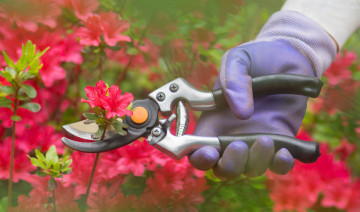
Many flowering plants benefit from regular pruning and deadheading throughout the summer.
Removing faded flowers encourages many annuals and perennials to produce additional blooms rather than putting energy into seed production.
Common plants that benefit from deadheading include:
A few minutes of deadheading each week can keep flower beds looking fresh and colorful.
Some plants become stretched or overgrown by midsummer. Light pruning can help improve appearance and encourage fuller growth.
Focus on:
Avoid heavy pruning during periods of extreme heat, as it can stress plants.
By July, many plants have used a significant portion of the nutrients available in the soil.
Flowering annuals in containers and garden beds often benefit from supplemental feeding during midsummer.
Look for fertilizers designed to support blooms and follow label directions carefully.
Vegetable gardens are often producing heavily by July. Tomatoes, peppers, cucumbers, squash, and other crops may benefit from additional nutrients to support continued harvests.
Watch for signs that plants may need feeding:
Plants growing in pots and hanging baskets typically require more frequent fertilization because watering can wash nutrients out of the soil.
A regular feeding schedule can help containers remain colorful and vigorous throughout summer.
Mulch does more than improve appearance—it helps retain moisture, suppress weeds, and regulate soil temperatures.
Check garden beds and refresh mulch where it has:
A fresh layer of mulch can be especially beneficial during the hottest part of the summer.
Weeds compete with desirable plants for water, nutrients, and sunlight.
Take time to:
Regular maintenance is often easier than dealing with a major weed problem later.
Summer heat can put significant stress on lawns and gardens.
As part of your midsummer checkup:
Proper watering helps plants develop stronger root systems and better tolerate hot weather.
By midseason, some containers may begin to look tired.
Give them new life by:
Even small refreshes can make a big difference in appearance.
July is also a good time to assess lawn health.
Look for:
Avoid heavy fertilization during periods of extreme heat, but continue proper mowing and watering practices to maintain a healthy lawn.
While you're checking on your current garden, start thinking about the next season.
Consider:
Planning now can help make the transition into late summer and fall much smoother.
A midsummer garden checkup doesn't have to take all day. A little pruning, fertilizing, and refreshing can go a long way toward keeping your landscape healthy and productive through the hottest months of the year.
If you need fertilizers, mulch, garden tools, watering supplies, or expert advice, stop by your local lawn and garden store. We're here to help you make the most of every growing season.